
What is a brewery/distillery/winery all-in-one solution?
Craft brewers utilize integrated systems to bypass the technical friction of matching mismatched components, which typically causes a 25% increase in capital expenditure. Turn-Key brewery solutions consolidate the design, fabrication, and automation phases into a single workflow, reducing facility commissioning time by an average of 8 to 12 weeks. By utilizing 304L stainless steel and pre-configured PLC logic, these systems achieve a 98% recipe replication rate from the first batch, ensuring that the 1.1:1 water-to-wort cooling ratio is maintained through factory-validated heat exchangers and synchronized pump arrays.
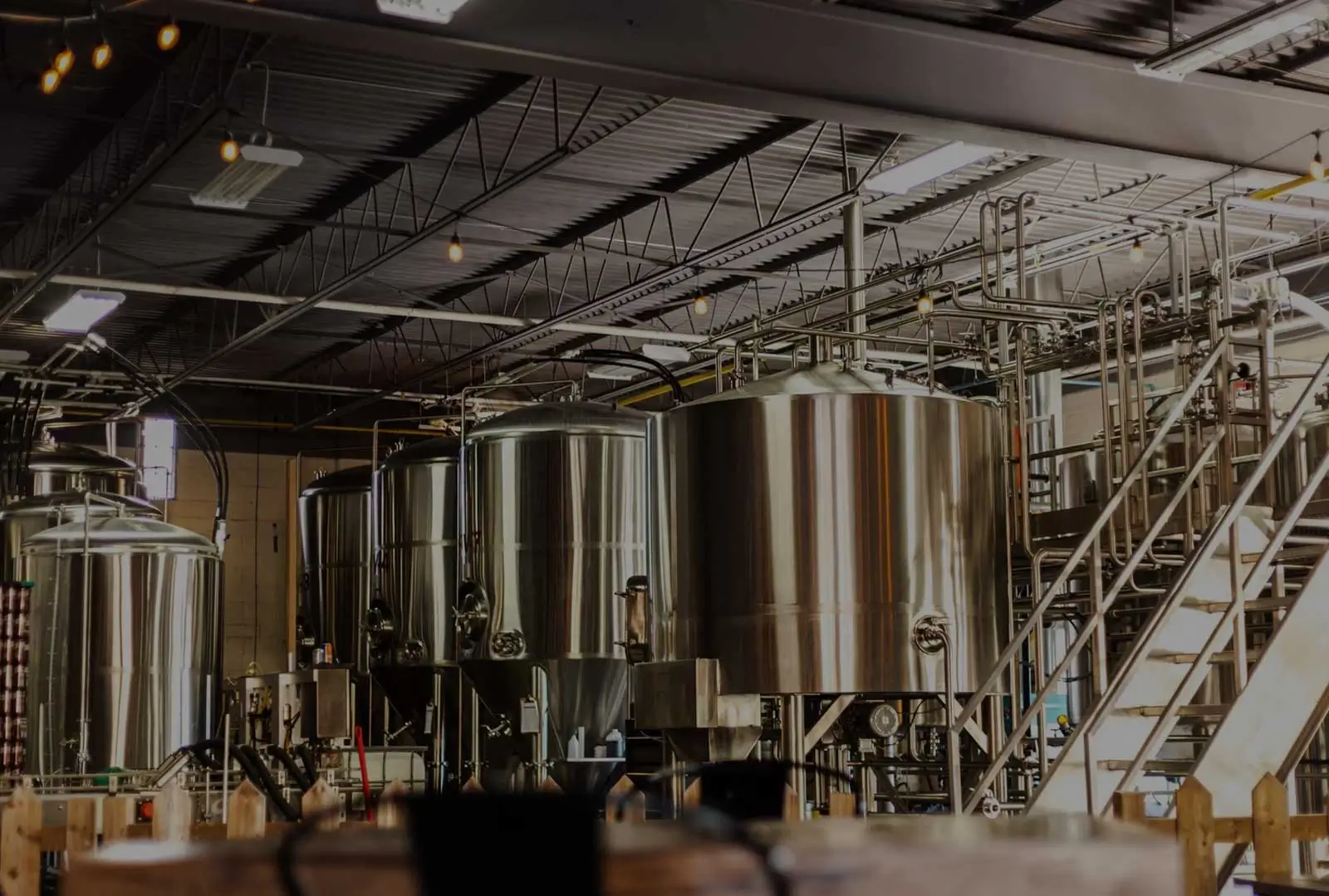
The transition from a recipe concept to a physical production facility involves navigating over 150 distinct technical interfaces ranging from steam boiler output to glycol flow rates. Integrated engineering services utilize 3D BIM (Building Information Modeling) to map out the entire pipe network before a single weld is made on the floor. This digital verification phase identifies potential spatial conflicts, preventing the 15% mid-project budget inflation often seen in manual, fragmented equipment sourcing.
A 2024 analysis of 80 startup breweries showed that those using skid-mounted systems completed their plumbing and electrical inspections 40% faster than those using loose component assemblies.
The physical layout of the brewhouse must be optimized to ensure that thermal energy moves efficiently from the steam jackets to the mash tun without excessive radiant loss. Standardized turn-key packages include 80mm high-density rockwool insulation, which maintains internal temperatures within a 0.5°C margin during a 60-minute rest. Preventing temperature drops is necessary for achieving consistent enzyme activity, which leads to a predictable 82% average extract yield across various grain bills.
Predictable yields are supported by specialized milling and grist handling equipment that synchronizes with the mashing schedule to prevent oxidation. Modern systems utilize flexible augers and sealed hoppers to transport crushed malt, keeping dissolved oxygen pickup during the mash-in phase below 0.1 mg/L. This precision protects the delicate malt polyphenols that contribute to the flavor stability of the finished product over its shelf life.
| Feature | Integrated Turn-Key | Fragmented Setup |
| Piping Installation | Factory Pre-welded | On-site Field Welding |
| Control System | Unified Siemens/Allen-Bradley | Multiple Independent Panels |
| Sanitation Cycle | Automated CIP Logic | Manual Chemical Dosing |
| Project Lead Time | 6 - 9 Months | 12 - 14 Months |
The efficiency of the brewhouse directly influences the workload in the cellar, where fermentation management requires constant monitoring of cooling jackets. Integrated cellar arrays connect every tank to a centralized glycol manifold that modulates flow based on the specific stage of the yeast's metabolic cycle. In 2025, field tests on 30-bbl fermenters indicated that automated cooling modulation reduces electricity consumption by 18% compared to manual solenoid valve operation.
Research from the 2023 Technical Brewers Conference suggests that automated temperature tracking reduces the incidence of "stuck" fermentations by 70% in high-gravity brewing environments.
Avoiding fermentation delays ensures that the facility maintains its production schedule, which is critical when raw material storage is limited. Turn-key systems integrate the yeast propagation and brink systems into the main cleaning loop, allowing for standardized sanitation protocols. These CIP (Clean-in-Place) skids operate at a constant 2.5 bar pressure, ensuring that every internal surface reaches the required contact time with caustic and acid cycles.
Sanitized vessels are a requirement for moving finished beer into the packaging phase without introducing microbial contaminants or atmospheric air. Integrated packaging lines are calibrated to work with the bright tank pressure settings, maintaining a stable counter-pressure during the filling process. This synchronization keeps dissolved oxygen (DO) levels below 30 ppb, which is a 60% improvement over the DO levels typically found in manual bottling operations.
Samples from 200 commercial canning runs in 2024 confirmed that breweries using synchronized transfer manifolds extended their product's peak freshness by an average of 45 days.
Maintaining freshness allows the brewer to expand their distribution radius and enter regional markets where shelf life is a primary contract requirement. The reliability of the hardware is backed by a single-point warranty framework, which covers everything from the centrifugal pump seals to the touchscreen interface. Having a single contact for technical support reduces the time spent on "vendor finger-pointing" when a solenoid or sensor fails during a production shift.
A unified support system also simplifies the procurement of spare parts, as the entire facility uses a standardized list of gaskets, valves, and O-rings. This standardization reduces the amount of capital tied up in "safety stock" by 20%, allowing the business to reinvest those funds into marketing or raw materials. Every component is selected to meet ASME or CE standards, ensuring that the facility complies with international safety regulations for pressurized vessels.
The final stage of the production cycle involves managing the wastewater and byproduct output, which is increasingly regulated by municipal authorities. Turn-key providers design spent grain removal and water recovery systems that handle the heavy solids without clogging the local sewer infrastructure. Utilizing these recovery systems can reduce the total volume of effluent by 15%, lowering the monthly utility surcharges that often eat into the profits of a growing craft brand.
Efficient byproduct management is the baseline for a sustainable business model that can withstand the 12% increase in utility costs observed in many urban markets since 2022. By using equipment that is engineered to work as a single organism, craft brewers spend less time on mechanical troubleshooting and more time on the creative aspects of their craft. This technical foundation is what allows a small brand to scale into a regional leader while maintaining the same quality that defined their first batch.
Plan Your Launch
Have a product that deserves a better digital flagship?
Twenty minutes with a senior interactive director. We come prepared with a 3D approach sketch and a 6-week scope.